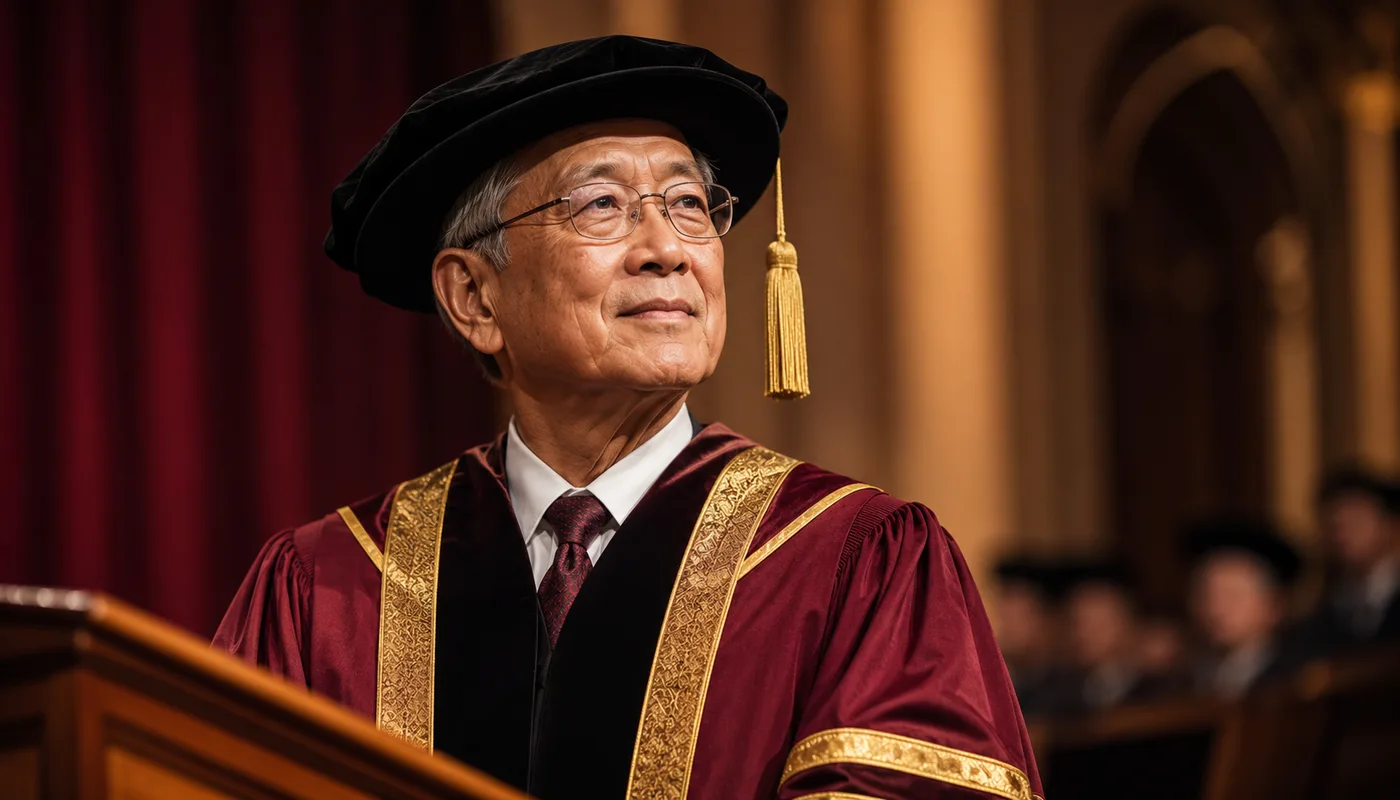
Heng Swee Keat SIT Chancellor: Singapore’s Quiet Reinvention of Political Elites
Heng Swee Keat has been appointed the inaugural chancellor of the Singapore Institute of Technology (SIT), a symbolic yet strategically meaningful position as he transitions from frontline politics to shaping Singapore’s higher‑education landscape.
Key takeaways
- Heng Swee Keat has been appointed the first chancellor of the Singapore Institute of Technology, effective June 1, 2026. (CNA)
- His term runs five years, ending May 31, 2031. (CNA)
- The chancellor role is largely ceremonial and ambassadorial, presiding over convocations and representing SIT externally. (CNA)
- The appointment comes after Heng’s retirement from frontline politics, reframing his public service in education and research governance. (Wikipedia)
From Singapore’s power corridor to academia’s ceremonial helm
Heng Swee Keat’s appointment as SIT’s first chancellor marks a clear shift from political executive to institutional elder statesman. Mr Heng, a former Deputy Prime Minister and Cabinet minister, takes on a role that is ceremonial rather than policymaking but still deeply symbolic within Singapore’s intertwined governance and education sectors. (CNA)
The move matters because it signals how Singapore recycles senior leadership talent into stewarding national priorities beyond politics — especially education, research, and industry linkages. SIT bills itself as an applied university focused on industry‑ready skills, and its elevation with a high‑profile chancellor suggests both a branding and governance strategy. (CNA)
What the chancellor role actually entails
The chancellor of SIT is the university’s highest‑ranking ceremonial office holder — not an operational CEO but the figurehead at convocations and external engagements. In comparable Commonwealth systems, vice‑chancellors run universities day‑to‑day, while chancellors serve as ambassadors. (The Straits Times)
At SIT, Heng will preside over convocations — the formal graduations where degrees are conferred — and serve as the public face for institutional events and partnerships. This reinforces SIT’s aspiration to grow industry and philanthropic engagement, a priority highlighted in the university’s own mission. (CNA)
Crucially, the chancellor does not exercise direct academic governance or budgetary control; that remains with the president and governing board. The role is platformed for visibility and continuity rather than executive power. This distinction matters in policy debates about university autonomy and leadership. (AsiaOne)
Heng’s career arc: from policy portfolios to symbolic leadership
Heng Swee Keat’s public record spans policing, economics, education, and national budgeting. He served as Deputy Prime Minister from May 2019 to May 2025, concurrently holding senior portfolios including Finance and Education earlier in his career. (Wikipedia)
His tenure in these roles defined him as an administrator with breadth: overseeing education reforms, steering fiscal policy through several budgets, and coordinating economic strategies. His selection as SIT chancellor leans on that gravitas. (Wikipedia)
Observers may read the appointment two ways: as a deserved recognition of a long public service career, or as part of a broader pattern of post‑political placement of senior figures in ceremonial or advisory positions, which can blur the boundary between statecraft and institutional stature. SIT’s choice reinforces its profile in Singapore’s higher‑education ecosystem. (CNA)
The broader context: governance, universities, and Singapore’s public life
In Singapore, universities often occupy dual roles: centres of learning and platforms for state priorities in skills, innovation, and economic positioning. Placing a former senior government leader as chancellor reflects this hybrid purpose.
Heng’s appointment also comes at a moment of evolving expectations for higher education — balancing industry relevance with academic rigour, and broadening pathways for lifelong learning. SIT’s applied focus dovetails with national strategies on skills and workforce transformation. (CNA)
Yet some question whether leveraging political figures in ceremonial academic roles enhances institutional autonomy or reinforces hierarchical conventions rooted in governance traditions. That friction — between symbolism and substance — is central to debates about expertise and mandate in Singapore’s public institutions. (Reddit)
FAQ
Who is Heng Swee Keat?
Heng Swee Keat is a Singaporean former Deputy Prime Minister and senior public official who has held multiple ministerial portfolios, now appointed as the first chancellor of the Singapore Institute of Technology. (Wikipedia)
What does the chancellor of SIT do?
The chancellor of the Singapore Institute of Technology is the highest‑ranking ceremonial office holder who presides over convocations and represents the university externally. (CNA)
How long is Heng Swee Keat’s term as SIT chancellor?
Heng Swee Keat’s term as the inaugural chancellor of SIT runs from June 1, 2026 to May 31, 2031. (CNA)